

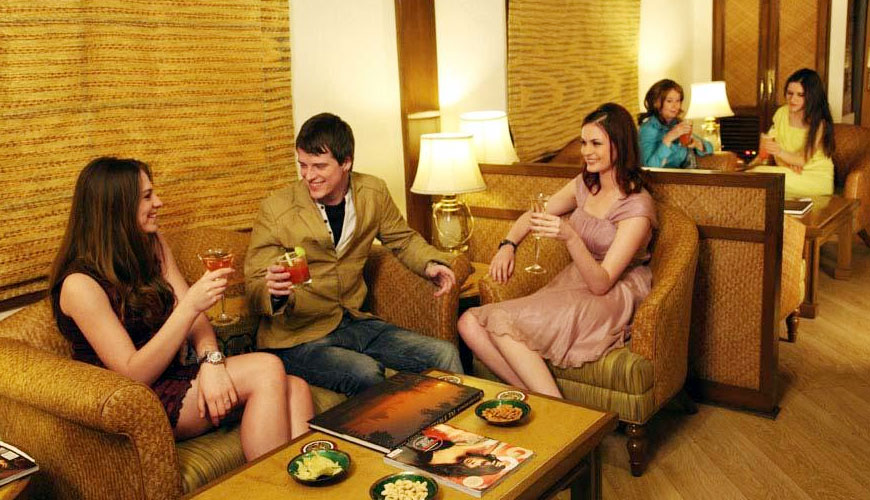
Luxury train travel is generally one of the safest, cleanest and most controlled ways to explore India and other classic rail destinations, especially for travellers in their 50s, 60s and 70s. In properly run luxury trains, cabins lock, platforms are supervised, excursions are curated, and hygiene standards are closer to those of a five-star hotel than to those of a regular train.
For cautious first-time visitors to India and for older travellers who don’t want stress or surprises, this guide walks through safety, cleanliness, medical care and booking terms in plain language. Hence, you know exactly what to expect.
| Indian Luxury Trains (ILT), a specialist division of Indian Holiday Pvt. Ltd., has spent more than three decades helping international guests choose the correct train, arrange safe transfers, and handle the small details that make a big difference to comfort and risk. |
Quick Facts
| Aspect | At a Glance |
|---|---|
| Ideal Travellers | 50+ couples, multi-generational families, “experience collector” luxury travellers, solo premium travellers seeking safe structure |
| Regions Covered (India) | Rajasthan, North India highlights (Delhi–Agra–Jaipur–Varanasi), Maharashtra & Deccan, South India circuits, Buddhist sector |
| Typical Trip Length | 7-night train as the core of a 10–14 night India holiday |
| Best Time for Comfort & Health (India) | October–March (cooler temperatures, lower heat stress) |
| Core Safety Features | Lockable cabins, trained staff, controlled access, curated excursions, emergency protocols |
| Cleanliness & Hygiene | Daily housekeeping, between-departure deep cleans, hotel-style kitchens, filtered water |
| Medical Support | First-aid-trained staff, onboard or on-call medical support depending on train, access to local clinics/hospitals en route |
| Booking Risk Management | Clear inclusions, published cancellation slabs, and a strong recommendation to add travel insurance |
Is luxury train travel actually safe for older and first-time travellers?
In normal conditions, yes, luxury train travel is a very safe way to see India and other destinations, provided you book verified operators, travel in sensible seasons and follow basic precautions. For most 50+ travellers, the risk profile is closer to that of a small cruise ship than to travelling on regular trains or by road.
- Coaches are restricted to ticketed guests and staff.
- Platforms and station access are supervised during boarding and departures.
- Off-train tours are guided, with vetted local partners.
- You sleep in private, lockable cabins instead of open carriages.
For anxious first-timers and older travellers, this combination of controlled access, small passenger numbers and curated logistics is precisely what you want in an unfamiliar country.
How do safety standards on luxury trains compare with regular trains and cruises?
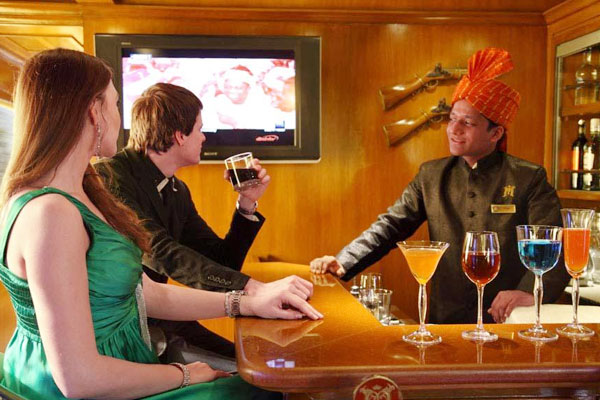
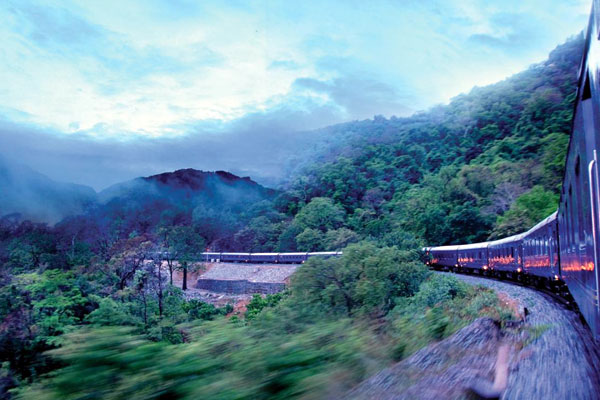
Luxury trains are designed and run very differently from regular long-distance trains. They’re closer to boutique cruise ships on rails than to everyday passenger services.
What makes luxury trains safer than regular trains in India?
- Boarding is controlled. You’re met by staff at a dedicated platform area, not jostling with thousands of commuters.
- Coaches are closed and supervised. Only guests and authorised staff are allowed onboard during the journey.
- Cabins are private and lockable, with staff on call for assistance.
- Excursions are escorted, often in smaller groups with local guides and private vehicles, not public buses.
- This is very different from regular Indian Railways trains, where coaches are open, crowds are significant, and you’re responsible for your own security and logistics.
How does luxury rail compare with cruises for safety?
- Like cruise ships, routes and stops are planned and vetted in advance.
- Emergency procedures exist, but evacuation is simpler than at sea – you can disembark to a platform or siding if needed.
- Motion is gentler than the open ocean, and there’s no seasickness risk.
- Health risks are mainly from climate (heat, humidity), minor infections, slips and falls, not from being far offshore.
- For many seniors who enjoy river or ocean cruises, a luxury train will feel familiar in terms of structure and supervision, just on rails rather than water.
What safety features and emergency systems do luxury trains use?
Well-run luxury trains layer engineering-level protections with staff training and procedures.
How secure are cabins, corridors and public spaces?
- Lockable cabin doors (often with deadbolts or electronic keys).
- Staffed corridors: butlers or attendants assigned to a small cluster of cabins.
- Observation of platforms during stops; guests are asked not to leave the train without staff.
- Secure luggage storage under beds, in overhead racks or in dedicated wardrobe units.
- In many modern trains, there is CCTV in public corridors and lounges (policies vary by operator and country; ILT can confirm per train at the enquiry stage).
What about fire safety, brakes and technical checks?
- Across serious long-distance and luxury trains, you’ll typically find:
- Smoke detectors and alarms in corridors and technical spaces.
- Fire extinguishers and fire blankets are in each coach.
- Emergency brake systems and radio communication with the locomotive crew.
- Regular mechanical inspections before departures and en route.
- Restricted smoking policies to reduce fire risk.
- While you don’t need to memorise every system, it is reasonable at the enquiry stage to ask:
- “What fire safety features does this train use?”
- “Where are extinguishers and alarms located?”
How are off-train excursions and road transfers kept safe?
- Transport is usually by private coach or car, not public buses.
- Local guides and escorts manage routes, headcounts and timings.
- Frequent water breaks and time in shade are built in, especially in hotter months.
- Entry to monuments is often via group tickets and priority access, reducing time in crowded queues.
How clean are the luxury train cabins, bathrooms and shared areas?
On actual luxury trains, cleanliness is treated like a hotel-level standard, not like a regular train. Housekeeping is done at least once daily, with deeper cleaning between journeys.
How often are cabins and bathrooms cleaned?
- Exact schedules differ by operator, but on most five-star trains, you can expect:
- Daily cabin service (beds made, bins emptied, surfaces wiped, towels replaced as needed).
- Turndown service in the evening.
- Shared toilets in bar/restaurant cars are cleaned several times a day.
- Full disinfection and deep cleaning between seasons or after each departure, especially in post-COVID protocols.
What about bedding, towels and air quality?
- Fresh bed linens are provided for each new guest; mid-journey changes can usually be requested.
- Towels are replaced daily on request in the hotel.
- Air-conditioning systems are maintained and filters serviced; many trains now follow guidelines inspired by hotel best practice.
How hygienic is the food and water on luxury trains?
- Kitchens on genuine luxury trains work to hotel-style hygiene standards, including temperature control, separate prep areas and strict storage procedures.
- Filtered or bottled water is served on board; ice is made from treated water.
- Salads, fruits and dairy are sourced and prepared with tourist safety in mind.
- Vegetarian, vegan and special diets (gluten-free, low-sodium, diabetic) are usually possible if requested in advance.
What kind of medical support is available on luxury trains?
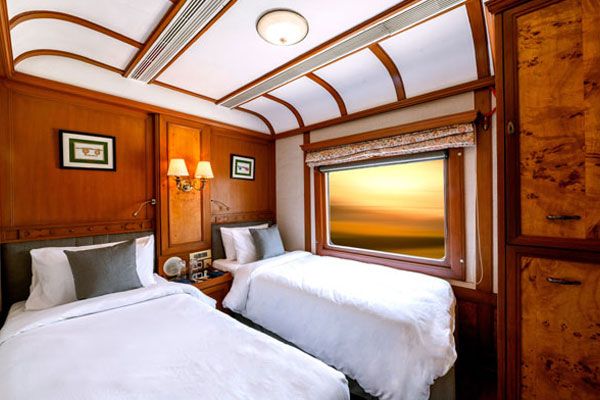
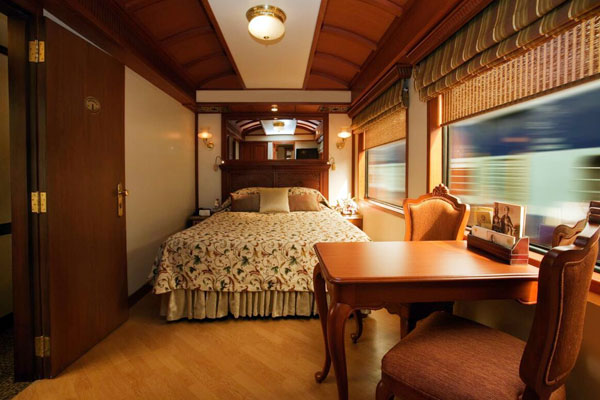
Luxury trains excel at preventing problems and handling minor issues, but they’re not full hospitals on wheels. The reality is a blend of onboard first aid and quick access to local clinics and hospitals.
Is there a doctor or nurse on every luxury train?
- It varies:
- Some high-end trains (particularly in remote regions) travel with an onboard doctor or paramedic.
- Others keep medical staff on call at key stops, who are reached via escorts and station staff.
- Almost all have:
- Staff trained in basic first aid.
- A stock of essential first-aid supplies.
- Direct communication with ground operations to arrange medical assistance.
What happens if you fall ill during the journey?
- Initial assessment onboard – your carriage attendant or train manager is alerted.
- Basic first aid – hydration, rest, over-the-counter remedies (where allowed), and temperature checks.
- Consult with a doctor or clinic – either on board or by phone from the next scheduled stop.
- Hospital visit if needed – you may be transferred by private vehicle to a clinic or hospital while the train continues or waits, depending on circumstances.
- Insurance and logistics – your travel insurance and ILT support team coordinate further care, additional hotels, or flights if the journey can’t be completed.
Can luxury trains support chronic conditions or mobility limitations?
- Yes, if they are disclosed in advance and realistically manageable in this environment.
- Well-managed diabetes, blood pressure, mild cardiac history, asthma, etc., whose doctors clear them for travel.
- Travellers with reduced stamina who can handle some walking with support or aids.
- Higher-risk cases that require caution:
- Need for continuous oxygen beyond portable concentrators.
- Unstable cardiac, respiratory or neurological conditions.
- Recent major surgery.
How can seniors and travellers with limited mobility stay comfortable and safe?
With realistic expectations and a few practical choices, seniors and travellers with limited mobility can be very comfortable on luxury trains.
Are there steps, narrow corridors and platforms to manage?
- Steps into the train from the platform are common; portable steps or ramps may be provided, but you still need stability.
- Corridors are usually narrow, more like ship passageways than hotel halls.
- Cabin bathrooms can be compact; stepping into the shower may require a slight rise.
Are accessible or easier-access cabins available?
- Some trains, such as The Golden Chariot, have a dedicated accessible cabin and better-configured public areas for guests with mobility challenges.
- Others simply have:
- Cabins closer to the lounge and restaurant cars
- Slightly wider doors
- Staff experienced in assisting older guests
How can excursions be adapted for slower walkers?
- Private vehicles or smaller groups can be arranged at many stops.
- You can skip steep sections or extended walking while still seeing the highlights.
- Guides are used to pace older guests and can suggest shorter routes, more time in the shade, and additional rest stops.
When is the best time of year to take a luxury train from a comfort and health perspective?
- For India, the core season is October to March, when temperatures are lower and humidity is more manageable.
- October–November: Pleasant temperatures in most regions, some residual humidity. Good for Rajasthan and North India.
- December–February: Cool to mild in North and Central India; ideal for many seniors (bring a light jacket for early mornings and evenings).
- March: Warming up but still comfortable; some itineraries start to wind down before peak heat.
How do you reach your luxury train departure city safely and stress-free?
The safest, least stressful pattern is to fly in at least one day before your train departure and use pre-arranged private transfers.
Should you arrive the same day or one day earlier?
- Aim for one full night in the departure city (e.g. Delhi or Mumbai) before boarding:
- Gives buffer for flight delays or missed connections.
- Lets you decompress, sleep and adjust to time zones.
- Avoids rushing to a morning platform with luggage and jet lag.
What about airport–hotel–station transfers?
- ILT can arrange:
- Private, air-conditioned cars with vetted drivers.
- Meet-and-greet at the airport and guidance at the station.
Where should you stay before and after your train journey?
For safety and convenience, look for:
Quality hotels in established areas close to the main station or central districts (e.g. Delhi’s diplomatic/central regions, South Mumbai).
Properties with:
- 24/7 front desk
- Reliable security
- Good hygiene track records
- Easy access for vehicles
What do luxury train itineraries actually feel like day-to-day, and does that affect safety?
Expect a rhythm of early starts, guided excursions and relaxed afternoons/evenings, with most nights spent moving while you sleep.
How intense are sightseeing days?
- Many excursions involve moderate walking, steps at forts or palaces, and standing at monuments.
- In hotter months, heat can make even modest walks feel taxing.
- Wildlife days involve open-jeep safaris, which are bumpy and require a reasonable level of balance and back strength.
How much time do you actually spend on board vs off the train?
- Mornings and some afternoons are spent off the train on tours.
- The train becomes your moving home, providing you with a stable base with a consistent bed, shower, and dining room.
Which travellers might find these itineraries too demanding?
- Guests who cannot manage a couple of hours of broken walking, even with rests.
- Those with severe vertigo or balance issues.
- Anyone whose doctor has advised against travel in heat or humidity.
What should you pack for a safe, clean and comfortable luxury train journey?
Think of your packing in three blocks: hygiene & comfort, medications & documents, and security & small tech.
Essential hygiene and comfort items
- Travel-size hand sanitiser and disinfectant wipes.
- A small personal toiletry kit (including any preferred brands if you have sensitivities).
- A lightweight scarf or wrap for air-conditioned interiors.
- A travel pillow and eye mask if you’re a light sleeper.
- Non-slip shower sandals or flip-flops.
Medication and documents checklist
- All regular medications in original labelled packaging plus a written list.
- A doctor’s note for injectables, controlled medications, or devices (CPAP, nebuliser, etc.).
- Copies (digital + paper) of:
- Passport and visa
- Travel insurance policy and emergency numbers
- Flight and train confirmations
Money, cards and valuables: how much and how to store them?
- Use your cabin as you would a hotel: keep high-value items in lockable luggage or a cabin safe if provided.
- Carry one primary card and one backup, plus modest local currency for tips and small purchases.
- Avoid flashing large sums of cash or jewellery during off-train excursions.
What’s included in a luxury train booking – and what isn’t?
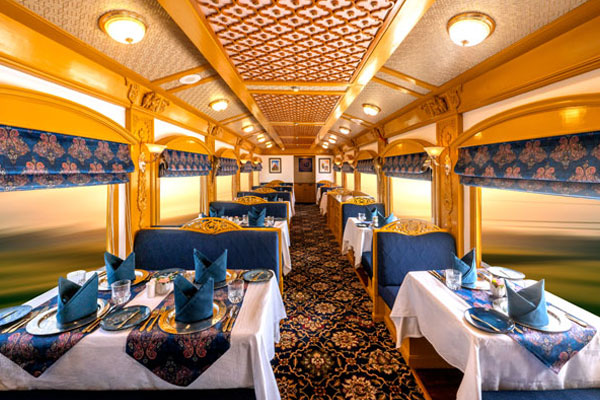
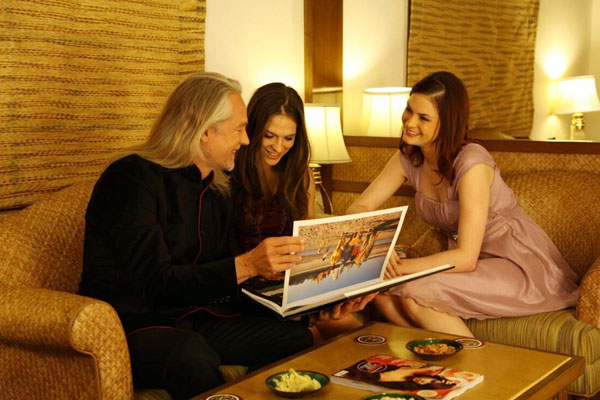
Most luxury train fares are essentially all-inclusive, but they are not “absolutely everything included”. Understanding this clearly up front avoids financial surprises and stress later.
What’s usually included in the fare?
- Typically included (check specific train):
- Accommodation in your chosen cabin for the journey nights.
- All main meals onboard (breakfast, lunch, dinner) and oftentimes select snacks.
- Guided off-train excursions with entrance fees to major monuments and parks.
- Transfers during excursions (coaches, jeeps, and boats, as per the itinerary).
- Some non-alcoholic beverages and, on some trains, a limited selection of alcoholic drinks.
Extras you should budget for (and why they matter for safety/comfort)
- Usually not included:
- International and domestic flights to/from the departure cities.
- Pre- and post-train hotels and private transfers (ILT can package these).
- Travel insurance – highly recommended, especially for seniors and long-haul travellers.
- Premium beverages, speciality coffees, and à la carte snacks.
- Spa or wellness treatments, optional activities (e.g., hot-air balloon rides).
- Gratuities to train staff, guides and drivers.
- Personal expenses (shopping, laundry, personal phone calls).
Key cancellation and change policies – where can you lose money?
- Luxury train departures involve limited cabins and high fixed costs, so operators commonly use tiered cancellation slabs. Patterns vary, but you may see:
- Loss of deposit if cancelling X days before departure.
- Increasing penalties closer to departure.
- Separate rules for group bookings.
- Before paying:
- Ask for the current, date-stamped cancellation policy for your departure.
- Confirm how date changes are treated.
- Make sure your travel insurance covers non-refundable components if you need to cancel for a covered reason.
How does Indian Luxury Trains (ILT) help you travel more safely and confidently?
ILT is not just a booking engine. It functions as a specialist concierge and risk-reduction partner for luxury rail holidays in India.
Cross-train comparison and honest suitability checks
- Because ILT sells all major Indian luxury trains – Maharajas’ Express, Palace on Wheels, Deccan Odyssey, The Golden Chariot and the Buddhist Circuit train – it can:
- Compare routes, train age, cabin types and service style for you.
- Recommend options based on your health, mobility and climate tolerance, not just price.
- Flag departures that are too hot, too physically demanding or poorly aligned with your travel window.
Pre-trip briefing: health, packing, documents, expectations
- ILT can provide:
- A pre-departure briefing covering:
- Climate and dress codes.
- Health and hygiene habits (water, food, sun).
- Documentation and insurance checks.
- Clarification of medical support levels and realistic expectations for your chosen train.
During-trip and post-trip support
- Once you’re on the ground:
- Local teams handle transfers, meet-and-greets and hotel coordination.
- ILT can help if you need to update flights, add a hotel night, or reschedule sightseeing after unforeseen events.
- You retain a named contact if there are operational changes, delays, or medical issues where logistics support is required.
What local safety, cleanliness and etiquette tips should luxury train travellers know?
A few simple behaviours go a long way:
- Water: Stick to bottled or filtered water. Avoid ice and salads in small roadside eateries; enjoy them on the train and in good-standard hotels.
- Food: Eat where your guide or ILT recommends; avoid food that looks poorly stored or handled.
- Dress: Modest, comfortable clothing is both respectful and practical; closed shoes are safer than sandals on uneven streets.
- Crowds: In busy markets or at major monuments, keep valuables close, ideally in a money belt or cross-body bag.
- Tipping and small cash: Carry small notes; avoid displaying large rolls of money.
- Photography: Always ask before photographing people; respect “no photography” signs in temples and security areas.

Comment (0)