

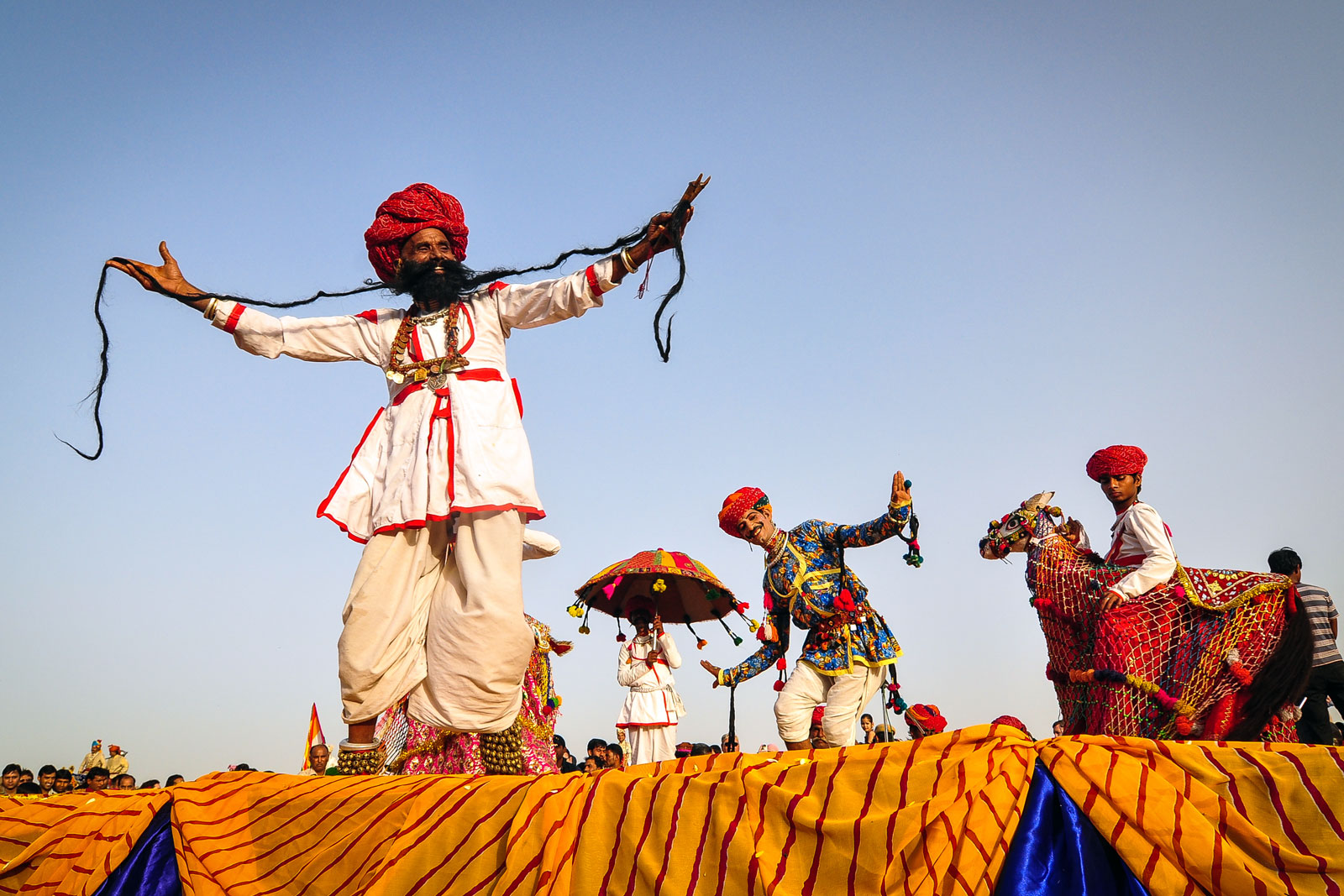
India’s cultural experiences range from exploring Mughal architecture and Rajasthan’s forts to sharing a community meal in Amritsar and learning regional recipes with a local cook. These eight experiences introduce you to different aspects of the country’s history, faith, food and everyday life.
Some of the best cultural experiences in India include visiting the Taj Mahal, witnessing Ganga Aarti in Varanasi, exploring the Golden Temple, touring Rajasthan’s forts, discovering Fort Kochi, staying in a heritage palace, celebrating Holi and joining a regional cooking class.
Cultural Experiences in India at a Glance
| Experience | Destination | Best Time | Why Go | Etiquette/Planning Note |
|---|---|---|---|---|
| Visit the Taj Mahal | Agra, Uttar Pradesh | October–March | Mughal architecture, marble craftsmanship and history | Closed on Fridays for general viewing |
| Witness Ganga Aarti | Varanasi, Uttar Pradesh | October–March | Experience a Hindu devotional ceremony beside the Ganga | Confirm the day’s timing and avoid blocking worshippers |
| Visit the Golden Temple | Amritsar, Punjab | October–March | Learn about Sikh traditions, devotional music and langar | Cover your head and remove footwear |
| Explore historic forts | Jaipur, Jodhpur and other Rajasthan destinations | October–March | Discover regional architecture, royal history and craftsmanship | Wear comfortable shoes and respect restricted areas |
| Discover Fort Kochi | Kochi, Kerala | October–February | Explore maritime heritage and watch Kathakali | Check monument opening days and performance schedules |
| Stay in a heritage palace | Jaipur, Udaipur or Jodhpur, Rajasthan | October–March | Experience historic architecture and regional hospitality | Check the property’s heritage and what your stay includes |
| Celebrate Holi | Mathura–Vrindavan or a hosted celebration elsewhere | February or March; dates vary | Experience festival traditions, music and colour | Ask before applying colour and plan for crowds |
| Join a regional cooking class | Kerala, Rajasthan and other destinations | Year-round; varies by location | Learn local recipes and cooking techniques | Share dietary requirements and confirm whether the class is hands-on |
1. Explore the Taj Mahal in Agra
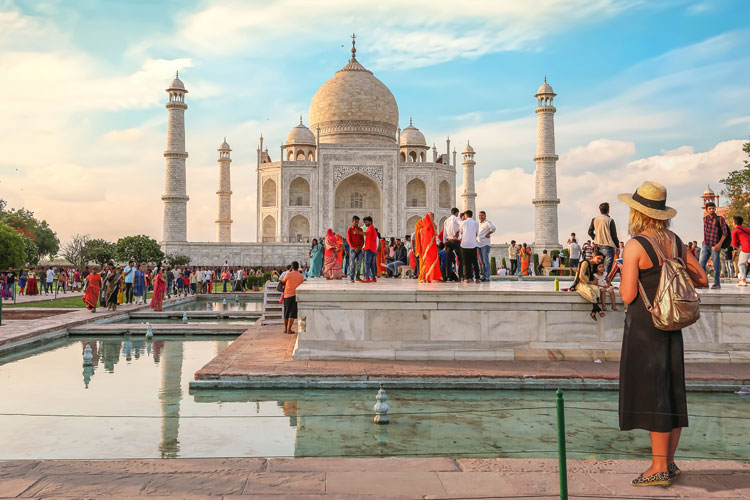
Commissioned by Mughal emperor Shah Jahan in memory of his wife, Mumtaz Mahal, the Taj Mahal offers an introduction to Mughal architecture and craftsmanship. Look beyond the familiar view to appreciate its marble inlay, carved screens, calligraphy, and carefully arranged gardens. A knowledgeable guide can help explain these details.
- When to go: October to March is generally comfortable for sightseeing. Visiting early can help you avoid the midday heat, although winter fog may reduce visibility.
- What to expect: Security checks, walking through the gardens and queues around the main mausoleum.
- Etiquette and planning: Follow photography and footwear instructions, and avoid touching decorative surfaces. The Taj Mahal is closed on Fridays for general viewing.
- Time to allow: Around two to three hours, with additional time for travel and queues.
2. Witness Ganga Aarti in Varanasi
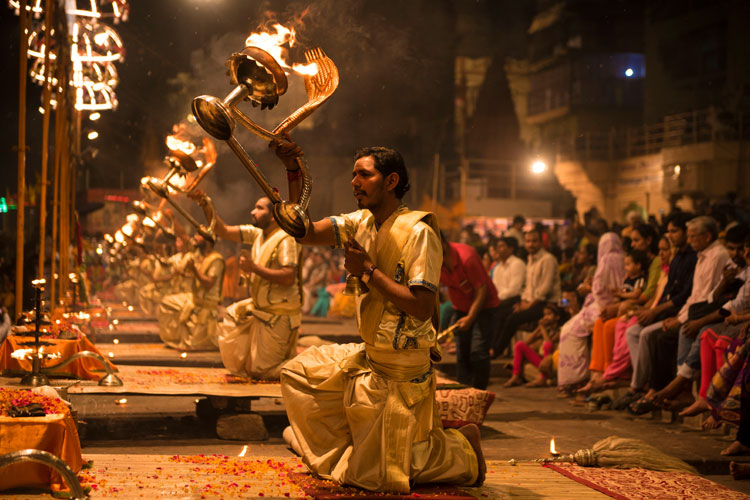
Varanasi is a historic centre of Hindu pilgrimage, where religious traditions remain part of daily life. At Dashashwamedh Ghat, the evening Ganga Aarti brings together lamps, bells and devotional chanting in worship of the river, which is sacred in Hindu tradition. Approach the ceremony as a religious observance and give worshippers space.
- When to go: October to March usually offers more comfortable weather. Confirm the ceremony’s timing locally.
- What to expect: Crowded riverfront steps, devotional music and a ceremony viewed from designated areas along the ghats.
- Etiquette and planning: Dress modestly, keep pathways clear and avoid photographing cremations or grieving families.
- Time to allow: Around one-and-a-half to two hours, including arriving early and leaving through the crowds.
For the illuminated riverfront festival, plan around Dev Deepawali, a separate celebration from Diwali. Check that year’s date and visitor arrangements before booking.
3. Visit the Golden Temple in Amritsar
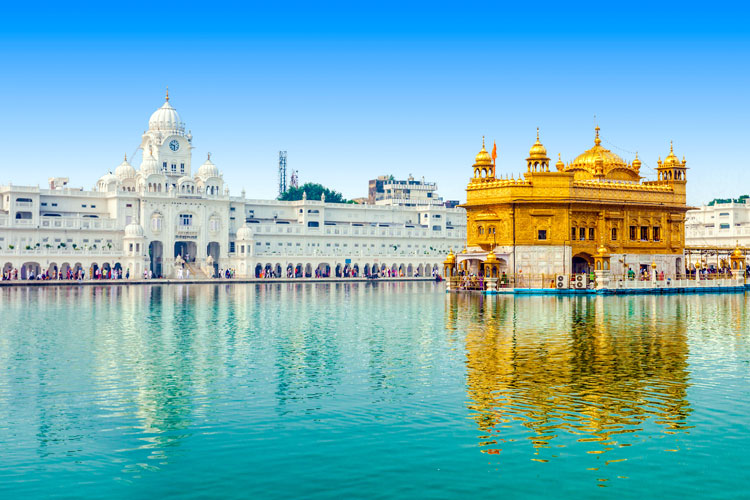
Sri Harmandir Sahib, also known as the Golden Temple or Sri Darbar Sahib, is one of Sikhism’s most revered gurdwaras. Its setting around the sacred pool, or sarovar, and the sound of kirtan or devotional singing make it a meaningful place to learn about Sikh faith and hospitality. Visitors can also join langar, the community meal offered without distinction of background.
- When to go: October to March generally offers pleasant sightseeing weather. Allow extra time during religious occasions.
- What to expect: An active place of worship, queues for the central shrine and volunteers helping visitors.
- Etiquette and planning: Cover your head, remove footwear, dress modestly and follow the attendants’ instructions. Check photography restrictions before using your camera.
- Time to allow: Around two to three hours, or longer if you join langar and encounter substantial queues.
4. Discover Rajasthan’s Historic Forts
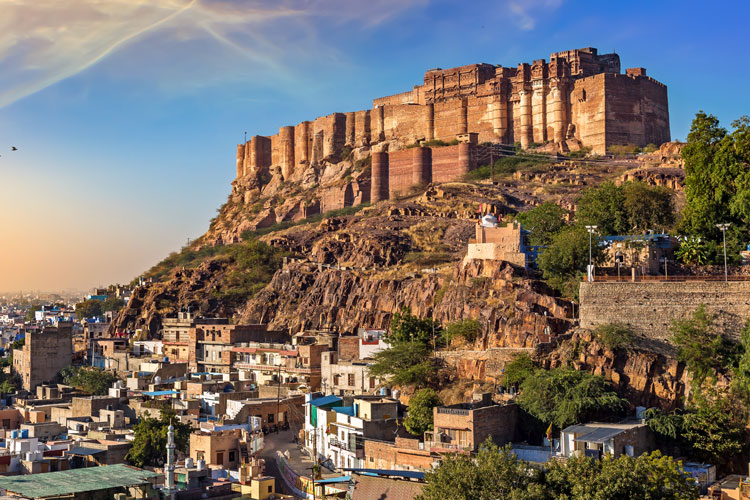
Rajasthan’s forts reveal different chapters of the region’s history. Explore Amer Fort near Jaipur for its courtyards and decorative interiors, or Mehrangarh Fort in Jodhpur for its architecture and museum collections. Choose a few sites and leave enough time to understand their stories.
- When to go: October to March is generally the most comfortable time to explore. Start early on warmer days.
- What to expect: Ramps, steps, open courtyards and extensive walking. Guides or audio guides can add useful historical context.
- Etiquette and planning: Keep off fragile structures, follow museum photography rules and respect any active shrines within the complex.
- Time to allow: Around two to three hours per major fort, plus travel time. Larger sites may need half a day.
5. Explore Fort Kochi’s Heritage and Watch Kathakali
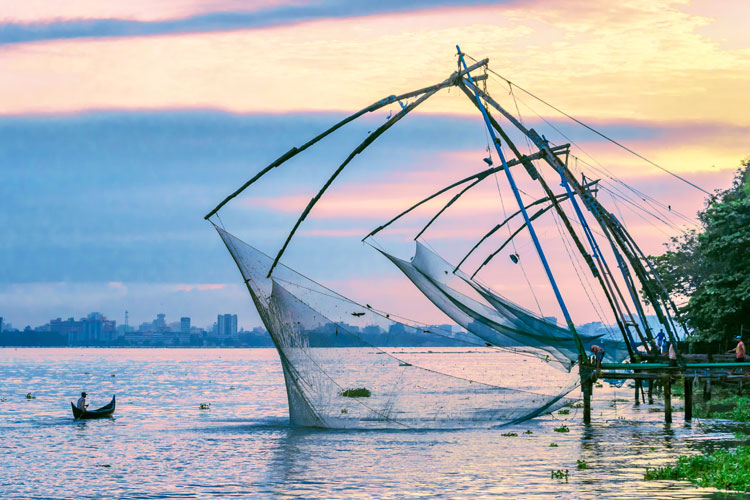
Fort Kochi, on Kerala’s southwest coast, reflects the city’s long history of trade and cultural exchange. Walk past historic churches and the waterfront fishing nets, then explore nearby Mattancherry. An evening Kathakali performance introduces you to Kerala’s classical dance-drama through expressive gestures, elaborate costumes and detailed makeup.
- When to go: October to February is a good planning window for outdoor sightseeing, although rain remains possible.
- What to expect: A walkable heritage neighbourhood, places of worship, small museums and scheduled cultural performances.
- Etiquette and planning: Check opening days and visitor access at religious sites. Follow the theatre’s photography rules and ask before photographing performers.
- Time to allow: Half a day for the heritage area, with a separate evening slot for Kathakali.
6. Stay in a Heritage Palace
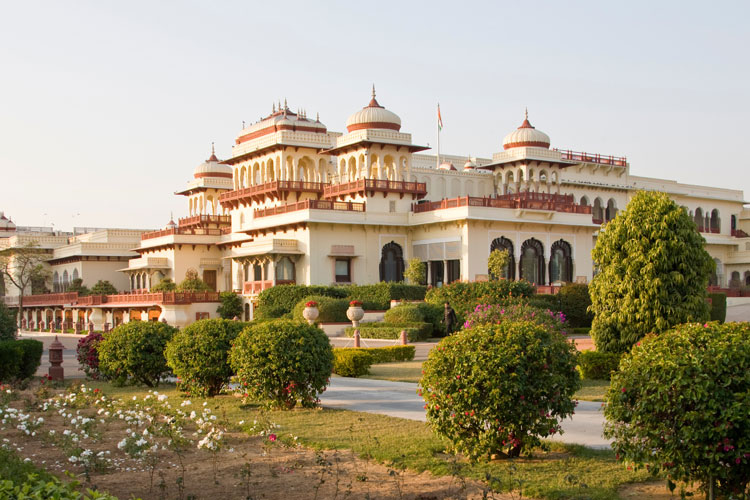
Staying in a converted palace can bring you closer to historic architecture, regional food, and the stories of its former residents. Rambagh Palace in Jaipur, for example, was once a royal residence and now operates as a hotel offering heritage walks. Check each property’s history when choosing your stay.
- When to go: October to March is generally comfortable for palace stays combined with sightseeing in Rajasthan.
- What to expect: Historic surroundings with hotel facilities. Architecture, room styles and cultural activities vary by property.
- Etiquette and planning: Respect private areas and other guests. Confirm whether heritage tours, meals or performances are included or charged separately.
- Time to allow: One or two nights gives you time to enjoy the property alongside local sightseeing.
7. Experience Holi with Local Hosts
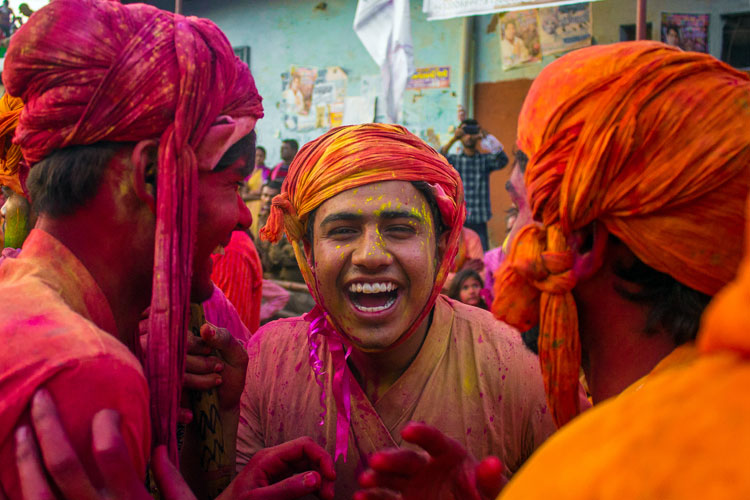
Holi offers an opportunity to experience festival traditions through colour, music and community celebrations. Mathura and Vrindavan are known for celebrations associated with Krishna in Hindu tradition. A hosted event can be a more manageable choice for first-time visitors who prefer a smaller gathering.
- When to go: Holi falls in February or March, depending on the Hindu calendar. Celebrations across the Braj region can take place on different days.
- What to expect: Coloured powder, music and busy public spaces, with customs varying by destination.
- Etiquette and planning: Ask before applying colour or taking close-up photographs. Choose a trusted host, protect your belongings and confirm transport arrangements.
- Time to allow: Half a day for one celebration, or several days for a planned programme across different locations.
8. Learn Regional Recipes in a Cooking Class
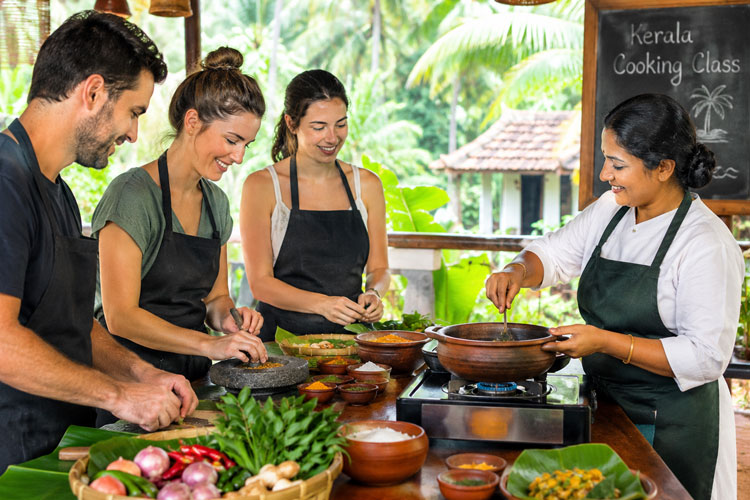
A cooking class offers a practical introduction to local ingredients and everyday food traditions. Choose a session focused on the region you are visiting. In Kerala, for example, the Responsible Tourism programme includes cooking experiences with local culinary hosts.
- When to go: Year-round, subject to the host’s availability. Consider the weather if a market visit is included.
- What to expect: An introduction to ingredients, cooking techniques and a meal or tasting, depending on the programme.
- Etiquette and planning: Share allergies and dietary requirements beforehand. Ask whether you will cook yourself or watch a demonstration, and request permission before photographing your hosts.
- Time to allow: Around two to four hours, depending on the menu and any market visit.
Cultural Etiquette in India
Customs differ between communities and individual sites. Following local guidance helps make your visit comfortable and respectful.
- Dress: Choose clothing that covers your shoulders and knees at religious sites. Some places have additional requirements. Carry a scarf for head covering where requested.
- Footwear: Remove shoes where instructed and use designated storage areas. Follow any washing or cleanliness requirements at the entrance.
- Photography: Check signs and ask before photographing people, rituals or sacred interiors. Avoid photographing funerals, cremations and private moments of worship.
- Respectful behaviour: Keep your voice low, avoid blocking worshippers and follow staff or volunteer instructions. Ask before joining a ritual, and observe quietly if you prefer not to participate.
- Access: Visitor entry rules and prayer-time restrictions vary. Confirm access before making a special journey.
FAQs
What are the best cultural experiences in India for first-time visitors?
Start with the Taj Mahal, Rajasthan’s forts, Ganga Aarti in Varanasi and the Golden Temple in Amritsar. Add a regional cooking class for a more personal experience, or explore Fort Kochi for heritage walks and Kathakali.
Which Indian festivals are best for travellers to experience?
Holi is a good choice for colour and community celebrations, while Dev Deepawali in Varanasi is known for its illuminated ghats. Choose based on your interests and comfort with crowds, and confirm dates and local arrangements each year.
What should tourists wear at temples, mosques and gurdwaras?
Wear modest clothing covering your shoulders and knees, and remove footwear where required. Gurdwaras require head coverings for all visitors. Mosque and temple requirements vary, so carry a scarf and check the individual site’s guidance.
When is the best time for a cultural trip to India?
October to March is generally a comfortable period for the northern destinations featured here. Cooler months also suit Kerala sightseeing. If your main interest is a festival, plan around its confirmed dates and the destination’s seasonal conditions.
Which luxury train journeys include major cultural destinations?
Palace on Wheels visits Rajasthan and Agra. Maharajas’ Express’s Indian Panorama includes Jaipur, Khajuraho and Varanasi. Golden Chariot’s Jewels of South visits destinations including Mysuru, Thanjavur and Kochi. Check the itinerary for your chosen departure.

Thank you, Manmeet for sharing a list of cultural places in India, this article will help the people who are coming from outside India. Great tourism post. Keep Posting.